
Polyaspartic Floor Coatings
in Lebanon, MO
A durable, UV-resistant finish for concrete that works hard, selected for the condition of your slab and the way the space actually gets used.
Your Concrete Floor Shouldn't Be the Weak Point of Your Space
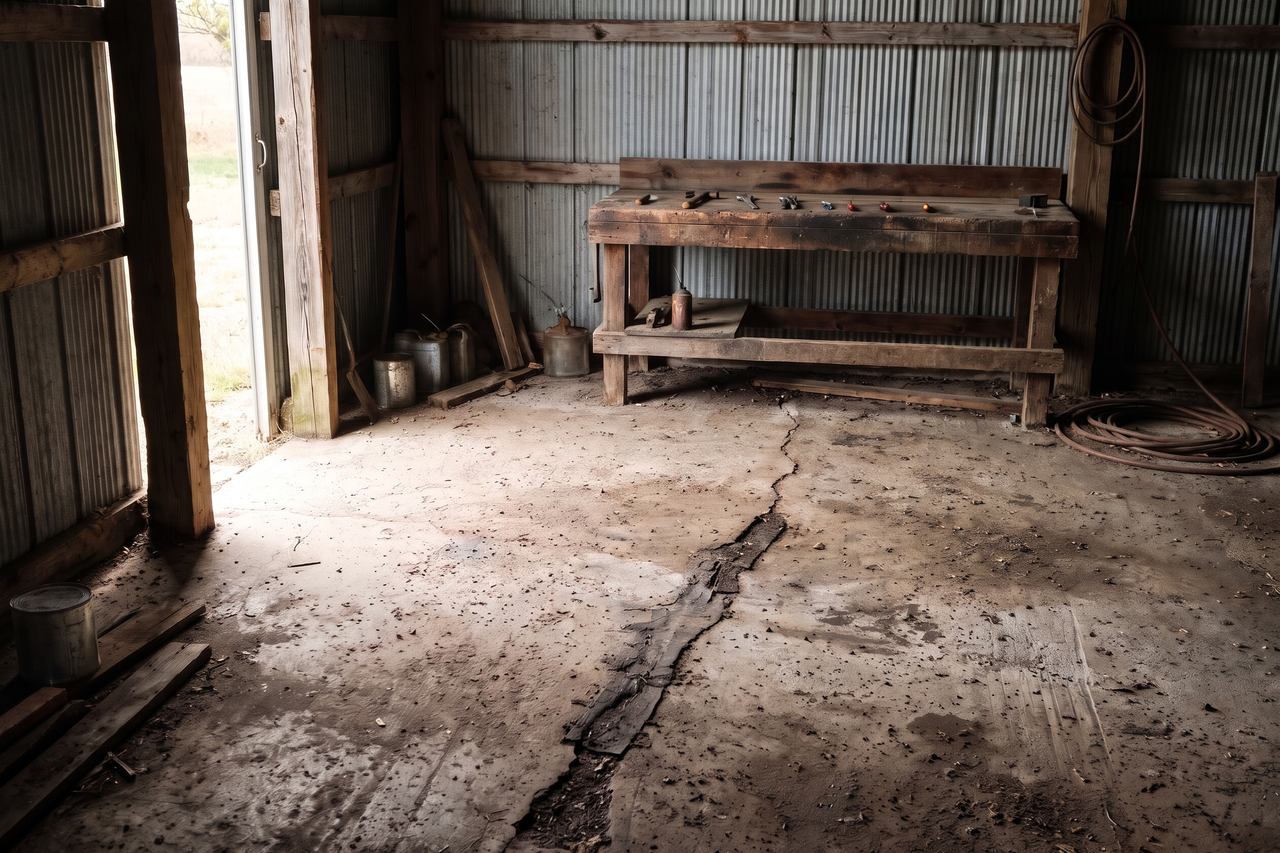
Uncoated concrete absorbs punishment quietly until the damage finally becomes obvious. Motor oil, salt residue and household cleaners sink into the open surface, and stains set deeper the longer they stay. Tires, dollies and work boots wear the top layer away bit by bit, and moisture rising from below can quietly undermine a coating applied later. Minor flaws tend to turn into repair bills no one planned for.
Coatings do not all respond to that stress in the same way. Certain epoxies react poorly to sunlight, so a floor lit by sun pouring through a raised garage door or large windows can gradually turn yellowish or chalky, which typically means another coat. Other products come with curing demands that buyers may not have fully considered when choosing.
Putting a coating on a busy concrete floor is generally a sound investment. What deserves more thought is choosing a system suited to this slab and the way it is used, since that pairing determines how the floor behaves under everyday traffic.
The Right Floor Coating Starts With How You Use the Space
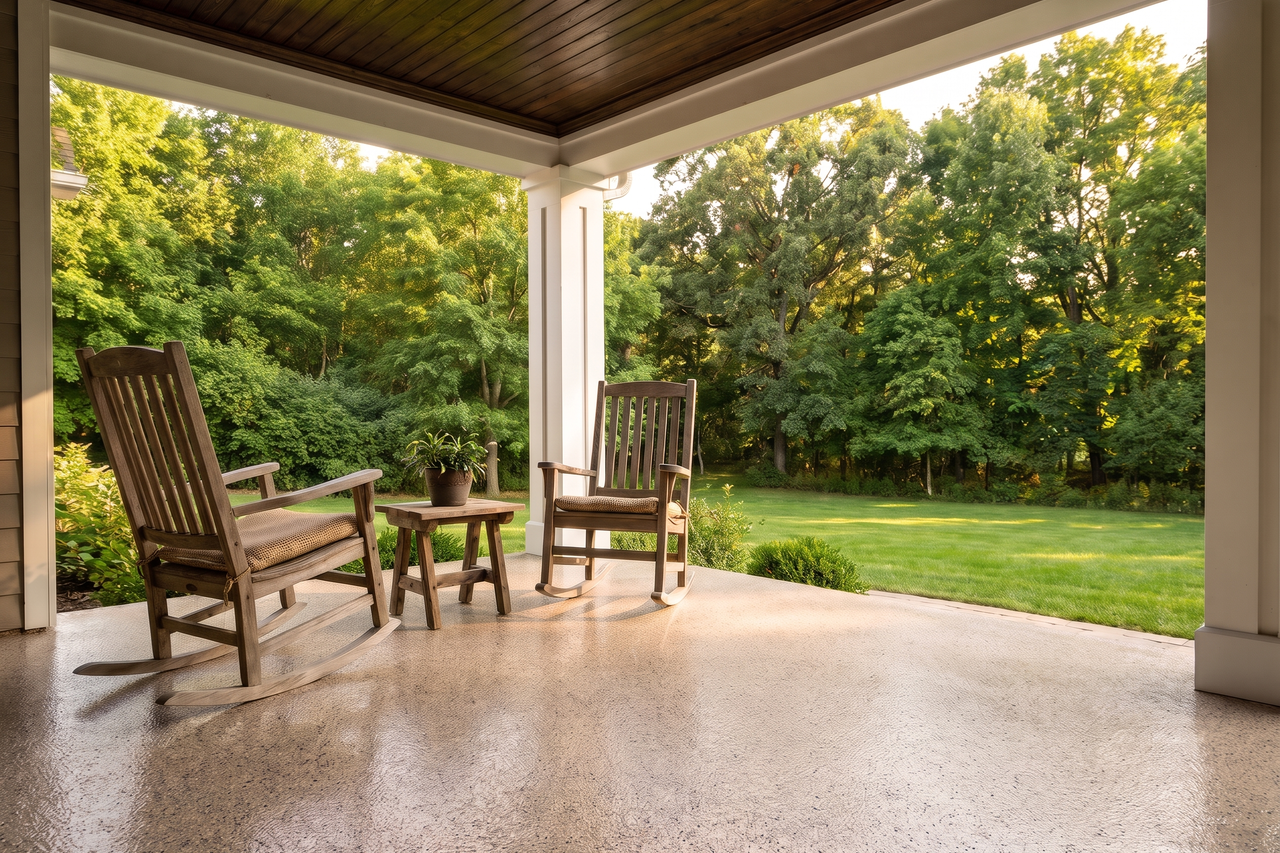
Two qualities set polyaspartic apart: better resistance to UV light than many standard epoxies, and strong abrasion resistance. It also generally cures faster than many traditional epoxy systems, which can play into project planning. Those advantages matter most on floors that catch a lot of sunlight, surfaces cleaned frequently, and covered outdoor concrete open to the weather.
That doesn’t make it the default choice. The recommendation hinges on how the slab has been treated before, what moisture testing shows, how you use the room and your budget. On some slabs, the strongest option pairs an epoxy base coat with a polyaspartic top layer, drawing on what each does well, and the right combination is something only an assessment of the concrete can settle.
Advice is most reliable when it comes from someone who has seen the floor in person. For some background reading first, the comparison guide below explains where polyaspartic and epoxy perform differently.
A Better Floor Is Easier Than You Think
Going from bare concrete to a sealed, finished floor involves more choices than people usually anticipate, and every one gets easier with a clear plan.
01
Tell Us About Your Space
Let us know where the floor is, its current condition, how it gets used and what matters most to you in the result, such as UV resistance, looks, traction or some combination.
02
Choose the Right System
With inspection and moisture testing done, your installer weighs how the space gets used and suggests an approach: a full polyaspartic system, epoxy beneath a polyaspartic top layer, or some other system if the concrete calls for it.
03
Transform Your Floor
With a system picked, the flooring professional takes care of preparation and application and talks the plan through with you first, so you understand each step ahead of time.
Ready for a Floor Built to Perform?
To request a polyaspartic flooring estimate, tell us about the floor and how you want the finished surface to perform. Including a few photos of the concrete in its current state helps clarify the scope at the start.
A Great Coating Can't Make Up for Poor Preparation
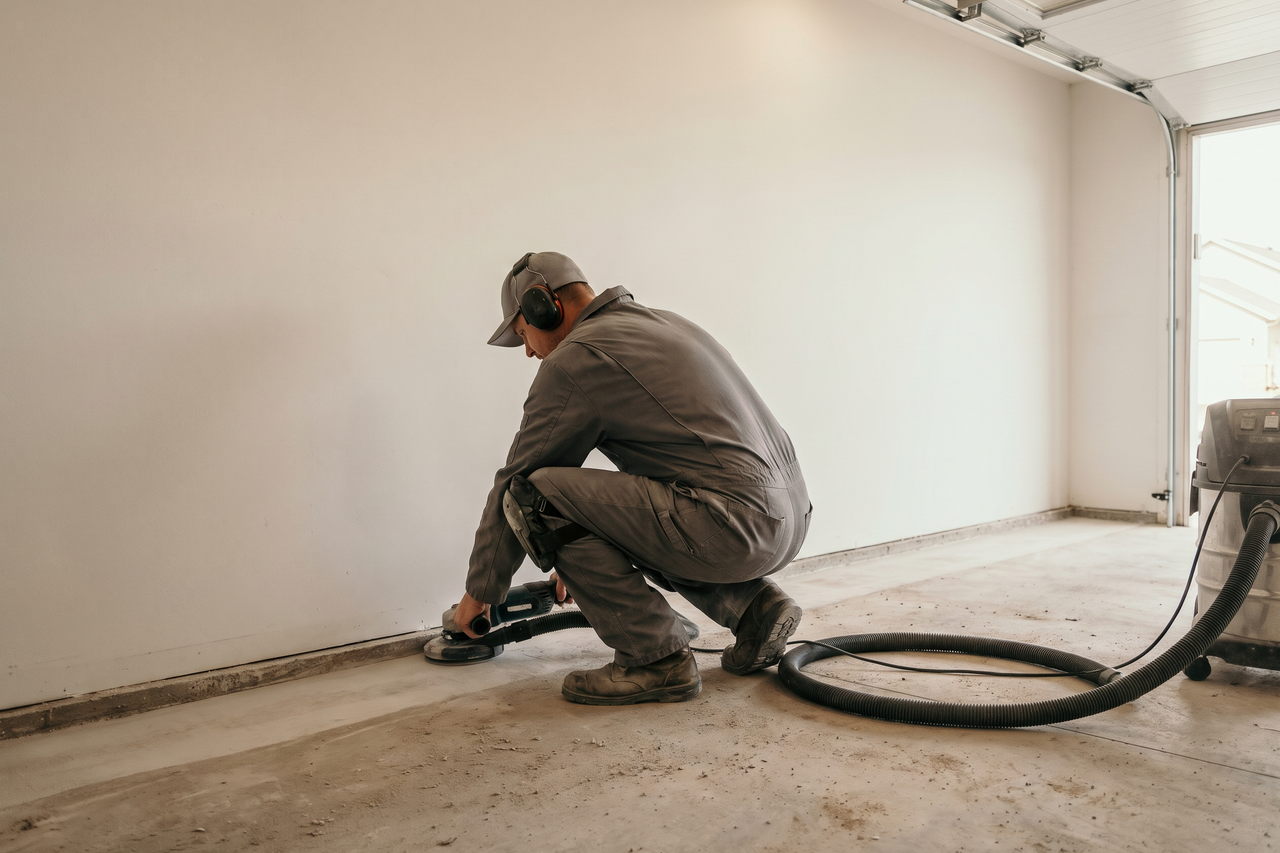
Good results with polyaspartic depend on concrete that has been prepared the right way: profiled mechanically, cleaned thoroughly and tested for moisture. Skip any of them and the coating goes onto a surface that has trouble holding a reliable bond, putting adhesion behind before the first coat cures.
Since polyaspartic generally cures faster than many traditional epoxy systems, there is less opportunity to fix problems once the material is mixed and being spread. Readiness has to be complete at the outset, not close to complete.
Grinding to the right profile, fixing defects and testing for moisture put the coating on firmer ground. If a coating releases prematurely, preparation is often part of the problem, along with moisture in the slab, the coating chosen and the conditions during installation. Dealing with each one at the beginning sets the system up with a better foundation for long-term performance.
A Floor That Looks Better and Works Harder
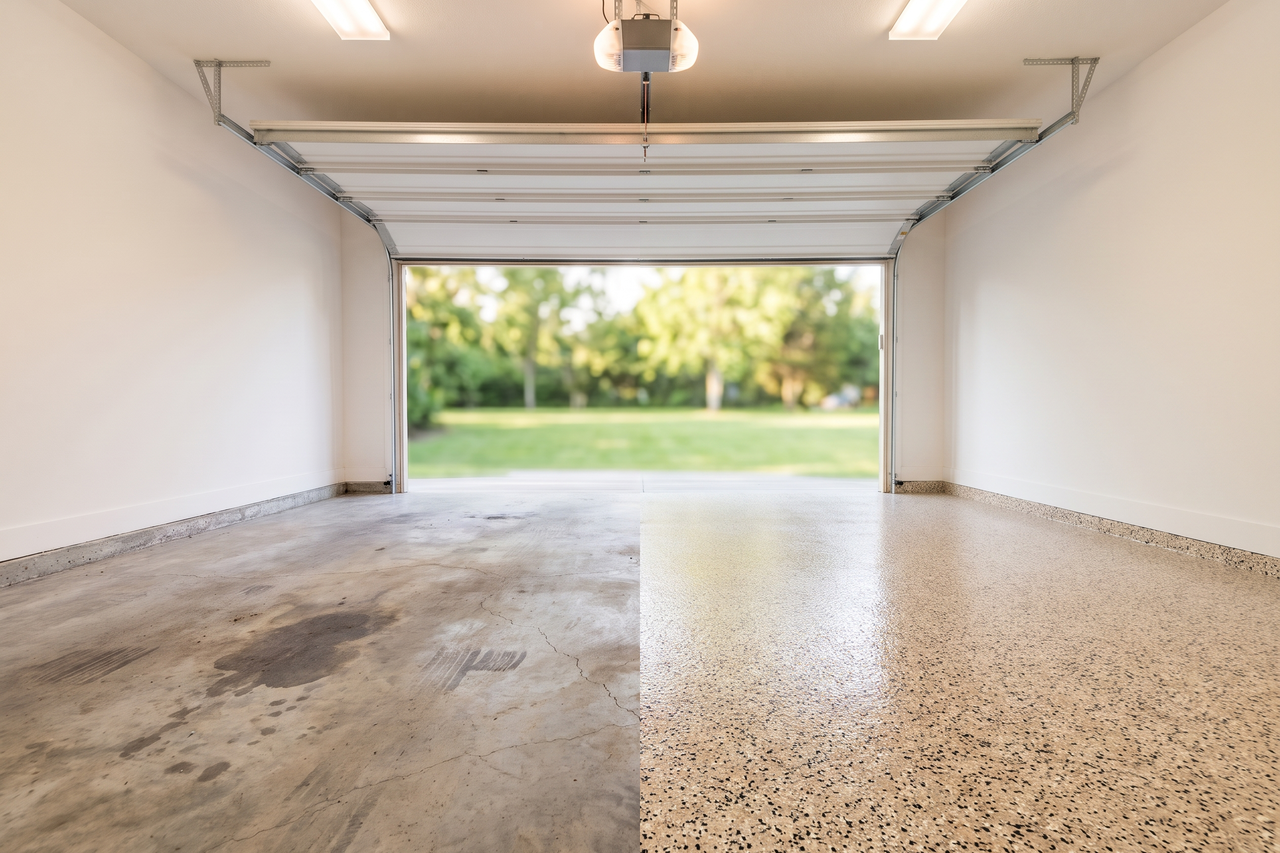
With a polyaspartic seal in place, spills and dirt stay on the surface rather than sinking in. Coolant, solvent drips and mud tracked in by tires clean up much more readily on a coated floor than on bare concrete.
Broadcast flake brings depth of color and a little texture, a look that fits residential garages and lighter-duty commercial spaces alike. If slippery footing is a worry, your installer may recommend an anti-slip additive or a textured topcoat. The finished specification depends on what the space needs and on the installer’s professional judgment.
Because polyaspartic generally cures faster than many traditional epoxy systems, it often comes up in conversations where scheduling matters. Timing of the work depends on the project and the contractor. Before anything starts, your installer should walk you through the schedule, which hinges on the floor’s size and condition, the prep involved and the selected system.
What Do Polyaspartic Floor Coatings Cost?
Polyaspartic pricing tracks the slab’s condition and how much preparation it requires, how many cracks and spalls need fixing, whether you choose a full polyaspartic build or a polyaspartic topcoat over an epoxy base, the overall square footage and your finish selection.
Because concrete varies so widely between floors, an honest figure depends on seeing the slab in person. A price that reflects the actual work comes from the flooring professional after measuring the area, checking its condition and understanding everything the project involves.
Common Questions About Polyaspartic Floor Coatings
Does polyaspartic cure faster than epoxy?
It generally cures faster than many traditional epoxy systems, a point that can shape project planning. On any particular floor, progress depends on the product, how many coats are applied and the temperature and humidity on site. Your installer should explain what to expect before the work starts.
Does polyaspartic suit every type of concrete floor?
There is no one coating that fits every slab. Polyaspartic resists UV exposure better than many standard epoxies and generally cures faster than many traditional epoxy systems, but whether it is right depends on the concrete’s condition, how the space is used and the budget. Standard epoxy goes on thick and suits a lot of protected interior rooms. Where a floor sees more sunlight or abrasion, epoxy underneath a polyaspartic topcoat is a common route. The recommendation comes after the floor is evaluated.
Why does sunlight matter when picking a coating?
Steady sun can cause many standard epoxies to yellow or fade, and the usual fix is another coat. Polyaspartic tends to keep its color better than many conventional epoxies, so it is worth weighing for garages and rooms that get strong direct or reflected sun. Whether this is a concern for your floor comes down to the specific product and how much light actually reaches it, which is easier to assess in person.
Is polyaspartic an option for outdoor slabs?
It may be, depending on an evaluation. Carports, covered patios and other protected slabs may be reasonable candidates given polyaspartic’s UV and abrasion resistance. Soundness, drainage, sun and weather exposure and expected use all decide it, so the slab should be seen in person first.
Will a high-gloss coating be slippery when it gets wet?
A high-gloss finish can get slick once water is on it. Broadcast flake gives the surface some tooth for better footing, and where wet grip is important, a textured topcoat or anti-slip additive can be specified. Raise traction with your installer while the system is still being chosen.